Montegrotto Terme may be among the most prominent spa towns you’ve never heard of. Sitting in the Euganean Hills region of northern Italy, this was the spa town to soak in—about 2,000 years ago. During the Roman Empire, the upper classes flocked here to relax, hobnob and heal at this luxurious spa resort, featuring grand bath complexes, gardens and cultural venues like theaters and libraries. The ruins of some of these structures can still be seen today.
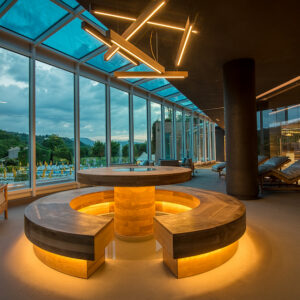
A relaxation area at Neró Spa.
Today’s Montegrotto Terme, however, is not so grand. Nonetheless, it is still a center for healing, with more than 200 natural thermal pools and about 50 dedicated thermal and spa hotels (with another 70-plus wellness properties located in neighboring Abano Terme).
Overall, the clientele is not quite as posh in Roman times. Many are older folks seeking relief from chronic ailments. And visitors will discover that many of the hotels, while very reasonably priced, are also quite dated. In fact, several of the properties I checked out felt similar in nature to some of the Soviet-style properties I have visited in Eastern Europe in terms of decor, food and service. That said, the opportunity to experience the healing powers of the thermal mud unique to the area is well worth a trip here, despite the caveats.
And there are a handful of lovely places to stay in Montegrotto Terme. After experiencing four nights at one of the retro-style properties referred to above, I was simply delighted to check into Terme Preistoriche Resort & Spa, one of the original hotels built during the town’s spa renaissance in the early 1900s. While descendants of the founding family still own the property, and the original hotel still exists, most of today’s iteration is quite modern, with many of the buildings and facilities added within the past 10 years.
The property, located in the middle of a centuries-old nature park, has a healthy blend of comfortable rooms located in the historic hotel, modern green lodges, fresh cuisine, two indoor and two outdoor thermal pools, a full-service spa, and a thermal treatment department. The latter facilities are informed by the beneficial properties of local thermal waters and mud.
Terme Preistoriche Resort & Spa is one of the original hotels built during the town’s spa renaissance in the early 1900s.
Why Euganean Mud Is Different
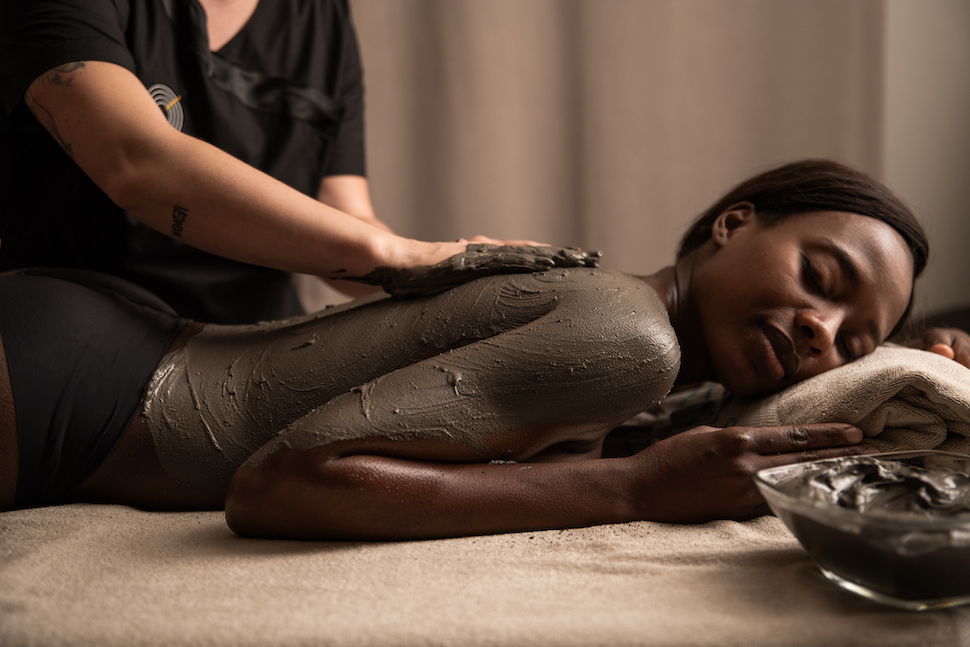
Let’s digress for a minute to get the dirt on this infamous mud. Thermal mud therapy has been one of the most effective and scientifically recognized treatments of the Euganean Thermal District for centuries. The therapeutic mud is created through the combination of clay, thermal water rich in minerals, and a long maturation process during which beneficial microorganisms develop naturally. Terme Preistoriche, actually, has thermal mud maturation pools on-site, where you can watch how the mud is hand-worked and naturally matured according to centuries-old tradition.

An inviting thernal pool.
When applied to the body, the mud’s warmth and mineral content help to improve circulation, reduce inflammation, and soothe muscular and joint pain. It is commonly recommended for osteoarthritis, joint pain, chronic inflammatory conditions, and back pain.
The Neró Spa here offers many treatments using the mud and the thermal water. The spa’s wellness area combines thermal traditions with contemporary wellness rituals. Hotel guests get complimentary access to the 13,000-square-foot spa, which includes a Finnish sauna, steam bath, hammam, salt room, a hypersaline floating pool, and a Temazcal inspired by pre-Columbian ceremonial practices. Guests can also experience the Japanese Kotatsu, designed for moments of quiet relaxation accompanied by herbal infusions.
The spa’s treatment menu reflects both local traditions and international influences. Guests can choose from exclusive mud therapies (a must), cosmetic and phytocosmetic treatments, Ayurvedic sessions, and bespoke wellness programs. A recommended ritual combines traditional Euganean thermal mud therapy with specialized massage techniques. Available in Destress, Energizing, Detox, and Anti-age variations, these treatments are designed to support physical renewal while promoting mental balance.
Medicinal mud is a prime feature of Terme Preistoriche’s new thermal treatment department, which is celebrating its inaugural year. The new department includes eight treatment cabins dedicated to thermal mud therapy, plus five physiotherapy and rehabilitation rooms, dedicated spaces for balneotherapy and inhalation treatments, and relaxation areas designed to extend the benefits of therapeutic programs beyond the treatments themselves.
Medical professionals use the mud on-site to treat a variety of ailments, from chronic aches and pains to inflammation and joint conditions. Guests undertaking thermal treatments or rehabilitation programs are encouraged, and in some cases required, to undergo a medical consultation. The thermal physician evaluates each individual’s condition and therapeutic objectives before prescribing a personalized treatment plan. This assessment determines the most appropriate therapies, treatment duration, and complementary wellness options that can be tested at the spa.

Built in 2023, green lodges are integrated within the centuries-old park.
Sadly, the new medical facility was not yet open when I visited. But I did get to experience a stay in one of the property’s Green Lodges. Built in 2023, these thoughtfully designed cottages are harmoniously integrated within the centuries-old park, allowing for an immersive stay in close contact with nature.
Built with sustainable materials and clad in wood, they blur the distinction between architecture and landscape, allowing guests to experience a closer relationship with the natural environment. My lodge even had a tree growing in the middle of it!
I also did a bit of sightseeing around the Euganean Hills region, stopping by wineries and visiting small medieval villages. I didn’t venture to Padua, a mere 15-minute train ride away, although I did make the mistake of heading into Venice for an afternoon. While the train ride was less than 30 minutes, the wait to get on the ferry there was nearly twice as long, and the jam-packed plazas and alleyways left my previously relaxed body feeling like a depleted sardine.
Fortunately, returning to Terme Preistoriche that evening gave me a chance to unwind and get my wellness groove back.

Laura Powell
Laura Powell has covered the worlds of travel and wellness for more than 25 years for the likes of CNN, The Washington Post, and Skift. Find out more at www.tourismwelldefined.com or on Instagram @tourismwelldefined