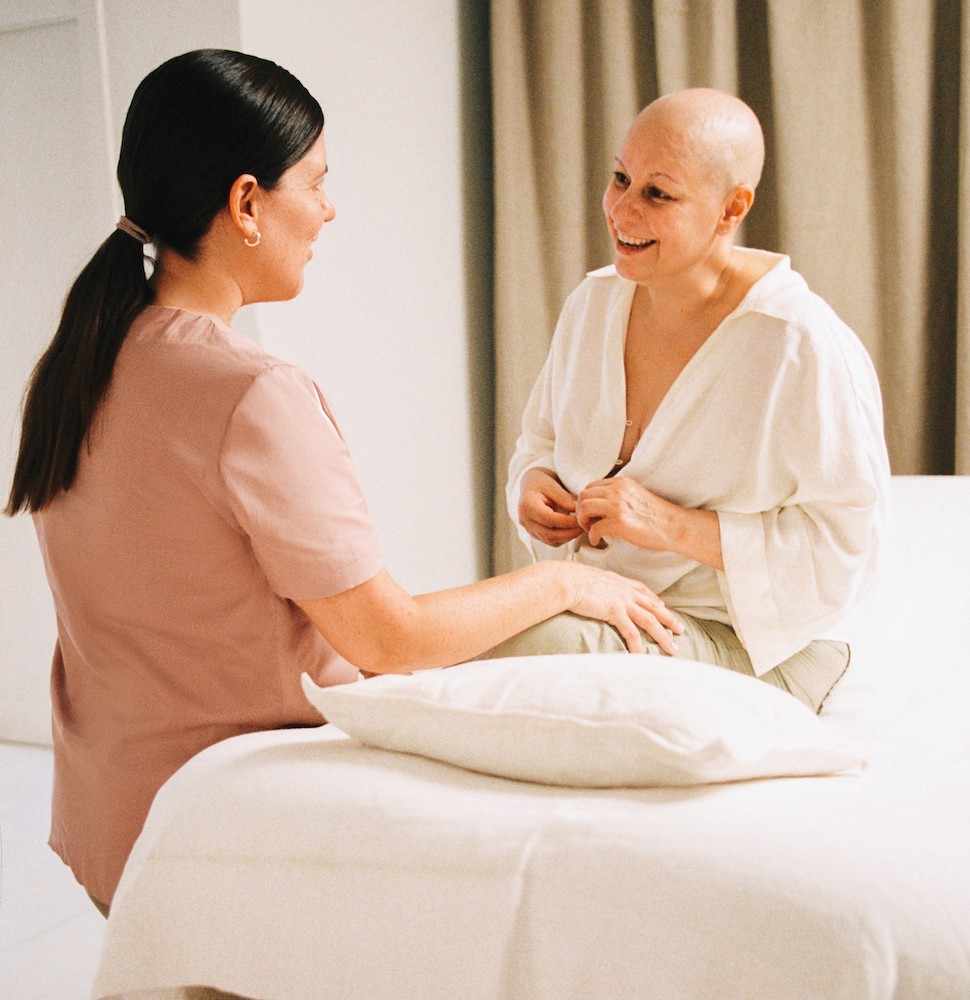
When Josanna Gaither returned from Spain in 2013 after completing oncology esthetics training through the Ricardo Fisas Natura Bissé Foundation, she was determined to bring the program to the United States. It would take nearly a decade—and countless conversations with hospitals, physicians, and foundation leaders—before that vision became reality. Today, as Executive Director of the Ricardo Fisas Natura Bissé Foundation in the U.S., she’s leading a growing nonprofit that provides no-cost oncology esthetics services, trains beauty and wellness professionals, and helps people navigating cancer rediscover comfort, confidence, and the healing power of touch.
The Ricardo Fisas Natura Bissé Foundation has existed in Spain for many years, but the U.S. foundation is relatively new. Where does the story begin for the U.S.?
We wouldn’t exist without the foundation in Spain—but we’re a very different foundation because the medical systems, the understanding of facials, and even consumer expectations are so different.
In Europe, getting a facial is part of regular self-care. In the U.S., it’s still largely viewed as a luxury. The foundation in Spain also has multiple social programs, while our focus here is entirely on oncology esthetics.
Personally, I took the oncology esthetics training in Spain in 2013 and came home determined to bring it to the U.S. It took nearly a decade of hearing “no.” Hospitals and physicians simply weren’t ready. Everything changed in 2023 when the Natura Bissé family asked me to develop a business plan. The board unanimously approved moving forward, and I was asked to lead the foundation. We officially launched our independent nonprofit team on January 1, 2024.
Did you expect the foundation to grow so quickly?
Not at all. When we launched, our plan was to train estheticians and massage therapists first, and hopefully begin serving people navigating cancer later in the year. Instead, our first patient came in March, and the need grew almost immediately.
Initially, it was just one full-time oncology esthetician, myself, and a consultant specializing in hair and makeup support. By the summer, we needed to hire another esthetician because demand had increased so dramatically.
How extensive has the program become?
During our first year, we trained 140 professionals. In 2025, we trained 80, but intentionally raised the bar by asking students to write an essay explaining why the training mattered to them. We wanted people who were truly committed. On the patient side, we served about 200 people during our first year. Last year that grew to nearly 785 referrals. We booked more than 1,700 appointments and delivered over 1,280 services.
Those numbers also tell another story. About 25 percent of appointments were cancelled or rescheduled—not because of poor scheduling, but because cancer treatment is unpredictable. Someone may wake up simply unable to leave home. That’s why flexibility and grace are essential.
Again and again, people tell us they finally feel seen—not as cancer patients, but as human beings.
Where are those services provided?
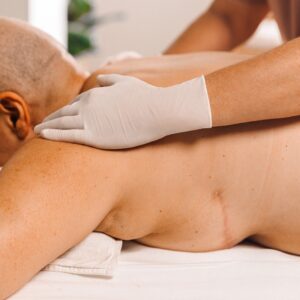 Throughout the Dallas-Fort Worth area, we’re fortunate to have seven locations that donate treatment space. Some are medical offices. Some are spas. We’re at Hope Lodge every Wednesday, where people receiving cancer treatment can stay free while away from home. We’re also on the campuses of UT Southwestern in Dallas and Fort Worth, where hospitals provide treatment rooms for us.
This year we also opened a dedicated treatment room at our own office. Beyond in-person care, we provide virtual consultations throughout the United States—and internationally—for anyone who speaks English. Sometimes we’re helping the person navigating cancer. Other times we’re teaching a caregiver how to care for a loved one’s skin, hair, or scalp.
What makes your oncology esthetics training different?
It’s built around real patient experience. Students learn health literacy, cancer treatments and side effects, communication skills, treatment modifications, and how to create a more welcoming environment. But the most important part is spending two full days working directly with people navigating cancer. Every diagnosis is different. Every person responds differently. That in-person experience can’t be replaced by an online course. After training, we also offer mentorship because no program can prepare someone for every situation they’ll encounter.
What have you learned from working directly with people navigating cancer?
Honestly, I expected our greatest impact would be helping people manage skin side effects. Instead, what surprised me most was the emotional impact.
One woman told us that receiving a facial reminded her touch could be safe and beautiful again. It opened the door to a conversation with her husband that helped restore intimacy after her diagnosis. Another patient found that the relaxation from her treatments allowed her body to become hungry again after medication had taken away her appetite.
Again and again, people tell us they finally feel seen—not as cancer patients, but as human beings. Helping restore confidence, comfort, and moments of joy has become just as meaningful as caring for their skin.
You’re also working to raise standards within oncology esthetics. Why is that important?
There’s a great deal of confusing terminology in our profession. Many providers describe themselves as “certified oncology estheticians,” but there isn’t a universally recognized certifying body. Sometimes “certified” simply means someone completed a brand’s online course.
Because we work closely with physicians and hospitals, we’re very careful about credentialing language. We prefer to say someone is trained in oncology esthetics.
I encourage patients to ask where someone trained, how many hours they completed, and whether they worked directly with people navigating cancer during that training. Experience matters.
What comes next for the foundation?
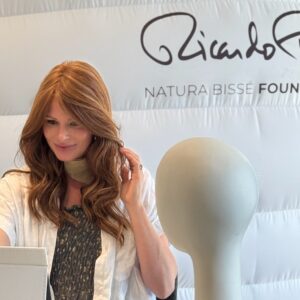 Our biggest goal is growing our volunteer network. We now have volunteers in Houston, Staten Island, and Las Vegas, and we’d like to continue expanding both our in-person services and our virtual support in English and Spanish. Ultimately, we want every person navigating cancer to know these services exist—and to know they’re not alone.
What is your hope for the program’s future?
For survivors, that regardless of their financial situation, everyone has access to no-cost skin care education and treatments. For professionals, that this training is accessible and affordable for everyone who wants to participate.
What are the two most important things you’ve learned since the inception of this program?
Don’t give up. Since 2013 we have been working on launching this program in the US, and many times, I wasn’t sure it would happen. But, we kept on . . . and things, in their beautiful time, worked out.
Keep learning, but pay attention to what you know to be true. Things continue to evolve, and technology continues to amaze us, but the Power of Touch remains true. A simple act of active listening… acknowledgment of what someone is going through . . . and The Power of Touch, when appropriate, can make a world of difference.
Editor’s Note: To learn more about the Ricardo Fisas Natura Bissé Foundation, click here.
Mary Bemis
Mary Bemis is Founder & Editorial Director of InsidersGuidetoSpas.com. An advocate for all things spa, Mary forged a vocabulary for spa reportage that is widely used by those who cover the issues today. Recently honored as a Top 30 Influential Voice Transforming Wellness by Medika Life, Mary is an inaugural honoree of Folio’s Top Women in Media Award. Her spa media roots run deep—in 1997, she launched American Spa magazine, in 2007, she co-founded Organic Spa magazine, and in between serving on the ISPA and NYSPA Board of Directors, she was on the launch teams of Luxury SpaFinder and New Beauty magazines. Named a "Wonder Woman of Wellness" by American Spa magazine, Mary was honored by the International Spa Association with the distinguished ISPA Dedicated Contributor Award. She is a special advisor to the non-profit Global Wellness Day.
- Web |
- More Posts(91)