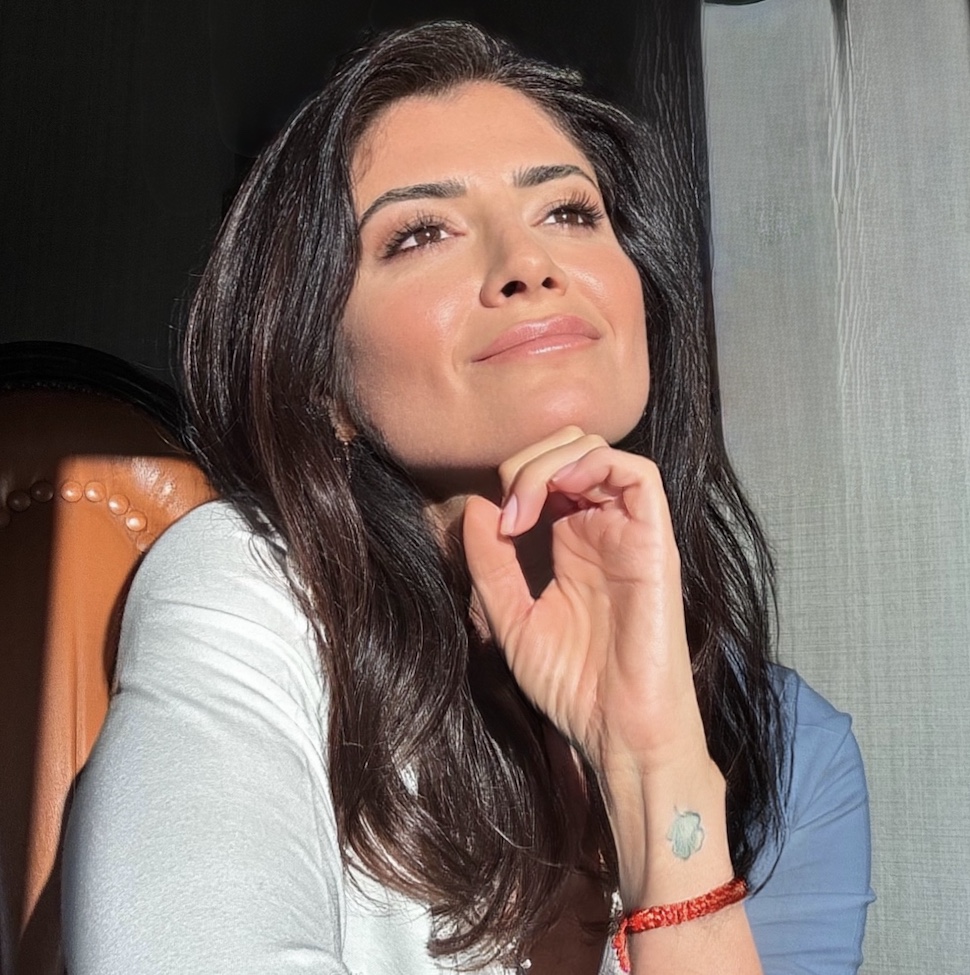
Each year, I look forward to reconnecting with Belgin Aksoy to discuss the theme behind Global Wellness Day, the worldwide movement she founded in 2012 to inspire healthier, more meaningful lives. Over the years, I have watched that vision evolve into a global force for wellbeing, celebrated in thousands of locations and embraced by millions of people. For its 15th anniversary, Global Wellness Day turns its attention to a subject that feels particularly relevant in today’s world: joy. At a time when stress, burnout, and disconnection have become defining challenges of modern life, Belgin’s #JoyMagenta theme reminds us that joy is not something to postpone or earn—it is something we need in order to thrive. In the following interview, she shares why joy matters now more than ever and why expanding our “joyspan” may be one of the most important wellness practices of all.
Over the years, Global Wellness Day has explored themes around reconnection, nature, healing, and community. This year, with #JoyMagenta, the focus turns toward joy. Why did joy feel like the message the world most needs right now?
I believe we are living through a time where people are emotionally exhausted. We are constantly connected, constantly consuming information, constantly rushing and yet, many people feel disconnected from themselves, from others, and from life itself. Over the past few years especially, we have seen how fragile emotional wellbeing can be.
This is why joy felt so important. Not superficial happiness, but real joy the kind that grounds us, nourishes us, and reminds us what it means to feel alive. Joy is not something we should postpone for “someday.” It is something we need in order to stay resilient, compassionate, creative, and healthy today.
With #JoyMagenta, we wanted to remind people that wellbeing does not always have to be complicated. Sometimes joy can begin with a simple walk in nature, a meaningful conversation, dancing, laughing, creating, sharing a meal, or expressing gratitude. These small moments have the power to heal us in profound ways.
If people walk away feeling more compassionate toward themselves, more connected to others, and more hopeful about life, then I believe we have achieved something truly meaningful.
In the press release, you describe joy not as a luxury, but as a necessity for wellbeing. In a culture increasingly shaped by stress, speed, and emotional exhaustion, how do you personally define joy today and has that definition evolved for you over the past 15 years of Global Wellness Day?
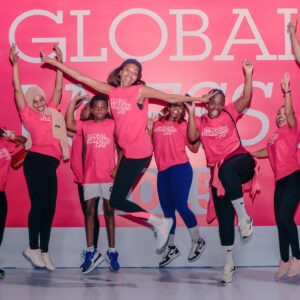 Yes, very much so. Fifteen years ago, I think joy was something I associated more with celebration, excitement, achievement, or beautiful moments. Today, my understanding of joy has become much quieter and deeper. For me now, joy is presence. It is the ability to fully experience a moment without rushing through it. It is waking up with gratitude, feeling connected to people I love, witnessing kindness, spending time in nature, or seeing someone smile because they feel seen and supported.
Global Wellness Day has taught me that wellbeing is not about perfection. It is about awareness and balance. Through the years, I have met people from every corner of the world, from vastly different backgrounds and circumstances, and one thing became very clear: joy is not reserved for people with perfect lives. In fact, some of the most joyful people I have met are those who choose gratitude and connection even in difficult moments. That changed me deeply.
One phrase that stood out to me this year is the idea of expanding our “joyspan.” It’s such an interesting counterpoint to the wellness industry’s current obsession with lifespan and longevity. What does “joyspan” mean to you on a deeper level?
I think longevity without joy becomes an empty goal. Of course we all want to live longer, healthier lives but what truly matters is how we feel while living them. “Joyspan” is our emotional vitality. It is our capacity to experience meaning, wonder, connection, laughter, creativity, and gratitude throughout our lives. It asks a very human question: Are we truly living, or are we simply existing?
Today, there is so much focus on optimization, productivity, and performance even within wellness. But wellbeing is not a competition. You cannot measure the value of a sunset, a heartfelt conversation, or a moment of peace with data. For me, expanding our joyspan means intentionally creating more space in our lives for what genuinely nourishes the soul. Because joy is not frivolous it strengthens our emotional resilience, our relationships, and even our physical health.
The four pillars of #JoyMagenta gratitude, connection, movement, and creativity feel intentionally human and accessible. Was there a conscious desire this year to move wellness away from performance and perfectionism, and back toward something more emotionally authentic?
Absolutely. That intention was at the heart of this year’s theme. I think many people have become overwhelmed by the idea that wellness is something expensive, exclusive, or impossible to achieve unless you follow a perfect routine. But true wellness was never meant to feel intimidating. It should feel human.
That is why we focused on pillars that are accessible to everyone, regardless of age, culture, income, or lifestyle. Gratitude costs nothing. Connection costs nothing. Movement can simply mean walking, stretching, dancing, or breathing deeply. Creativity can be singing, cooking, drawing, gardening, storytelling anything that reconnects us with our inner spark.
We wanted to bring wellness back to emotion, authenticity, and simplicity. Because sometimes the most powerful healing happens not when we strive harder, but when we soften and reconnect with ourselves.
Global Wellness Day now reaches millions across vastly different cultures, landscapes, and economic realities. As you look at celebrations happening everywhere from Japan and Ghana to the Maldives and Turkey, what continues to move you most about the universality of wellness and of joy itself?
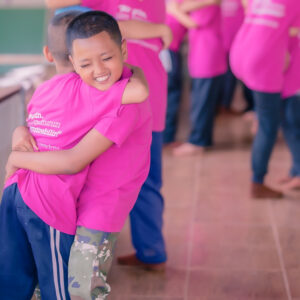 What moves me most is seeing how deeply human these experiences are. No matter where we come from, people everywhere long for the same things: to feel healthy, connected, valued, peaceful, and joyful.
Every year, I am touched by how Global Wellness Day adapts beautifully to each culture while still carrying the same spirit. In one country, joy may be expressed through dance and music; in another, through meditation, nature, community gatherings, or acts of service. Yet the emotional essence remains universal.
I often say that wellness is a common language. You can see it in a child laughing, in people moving together, in strangers helping one another, or in communities gathering with kindness and purpose. Especially in a world that sometimes feels divided, witnessing millions of people across different cultures unite around wellbeing and joy gives me tremendous hope for humanity.
You founded Global Wellness Day in 2012 from a deeply personal place, and it has since grown into one of the world’s largest nonprofit wellness movements. Looking back 15 years later, what has surprised you most—not only about the movement itself, but about humanity’s relationship to wellbeing?
What surprised me most is how much people long not only for wellness, but for meaning, connection, and belonging.
When we first started Global Wellness Day, the idea was very simple: one completely free day dedicated to living well. I never imagined it would grow into a global movement embraced by millions. But I think its growth revealed something important: people everywhere are searching for ways to reconnect with themselves and with one another.
At the same time, I have also seen how often people neglect their own wellbeing until they reach burnout, illness, or emotional exhaustion. We tend to treat wellness as a reward instead of a necessity.
Over these 15 years, I have continuously said that “wellness is not a luxury but the inherent right of every individual.” Now I see how important this is. Taking care of ourselves allows us to show up more fully for others, for our communities, and for the world. And perhaps most beautifully, I have seen how kindness and human connection remain some of the most powerful forms of healing we have.
There is often a quiet emotional thread running through your work—one that suggests wellness is ultimately about how we care for ourselves and for one another. When you imagine the future of Global Wellness Day, what do you hope people will still remember and feel long after the events, classes, and celebrations are over?
 More than anything, I hope people remember how they felt. Long after the events are over, I hope they carry with them a sense of possibility that wellbeing can be simple, accessible, and deeply human. I hope they remember moments of connection, moments of peace, moments of joy. Perhaps a conversation that touched them, a breath that grounded them, or the realization that they are not alone.
Global Wellness Day was never only about one day. It was always about inspiring small but meaningful lifestyle changes and reminding people that “one day can change your whole life” and with that one mindful step they can create transformation.
If people walk away feeling more compassionate toward themselves, more connected to others, and more hopeful about life, then I believe we have achieved something truly meaningful.
Because in the end, wellness is not only about living longer it is about living more consciously, more kindly, and more joyfully together.

Mary Bemis
Mary Bemis is Founder & Editorial Director of InsidersGuidetoSpas.com. An advocate for all things spa, Mary forged a vocabulary for spa reportage that is widely used by those who cover the issues today. Recently honored as a Top 30 Influential Voice Transforming Wellness by Medika Life, Mary is an inaugural honoree of Folio’s Top Women in Media Award. Her spa media roots run deep—in 1997, she launched American Spa magazine, in 2007, she co-founded Organic Spa magazine, and in between serving on the ISPA and NYSPA Board of Directors, she was on the launch teams of Luxury SpaFinder and New Beauty magazines. Named a "Wonder Woman of Wellness" by American Spa magazine, Mary was honored by the International Spa Association with the distinguished ISPA Dedicated Contributor Award. She is a special advisor to the non-profit Global Wellness Day.
- Web |
- More Posts(91)