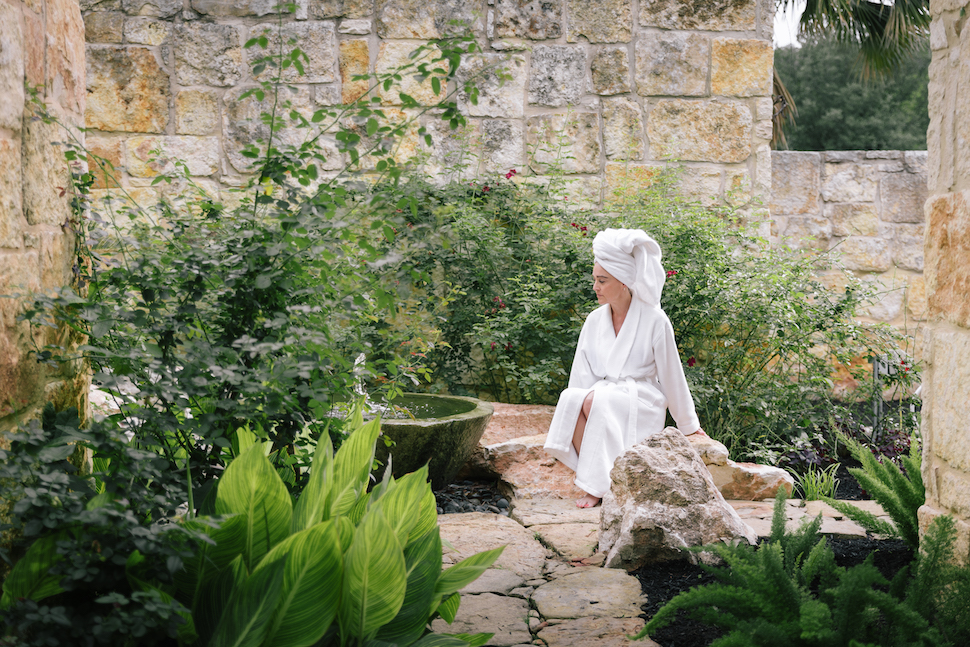
There’s a shift happening in spa right now—and it’s not subtle. Treatments are getting more specific, more technical, more layered. You’ll see it in lymphatic tools that promise visible change, in-room recovery setups that rival a training facility, facials that pair devices with ingestibles, and rituals that start in the garden instead of the treatment room. The throughline? Less passive, more engaged. Guests aren’t just lying there anymore—they’re participating, tracking results, extending the experience beyond the hour. The question isn’t whether spa is evolving. It’s how far it’s willing to go.
Beauty, on a Lunar Schedule: Grand Wailea, A Waldorf Astoria Resort, Maui
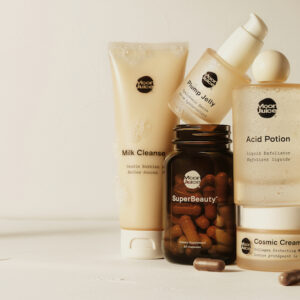 At Kilolani Spa, timing matters. The entire program is structured around lunar cycles—an approach rooted in Hawaiian tradition but now extended through a new partnership with Moon Juice. The result is a treatment menu that shifts subtly over time, aligning skincare with phases of rest, renewal, and peak energy.
The headline treatments are Moon Juice Hydrafacials, which layer familiar technology—exfoliation, extraction, infusion—with the brand’s formulations: Milk Cleanse, Plump Jelly, Cosmic Cream. Add LED therapy and lymphatic work, and the results are immediate enough to satisfy the results-driven crowd.
But the experience doesn’t stop at the face.
Supplements [not a big fan] and elixirs are built into the offering—Pearl for skin support, magnesium blends for relaxation, electrolyte formulas for hydration. You drink part of the treatment. You continue it after you leave. That inside-out approach isn’t new, but here it’s fully integrated. Not a retail add-on, not an afterthought. Even the café is part of it, with adaptogenic lattes and functional add-ins that mirror what’s happening in the treatment room.
Call it layered. Call it holistic. Call it a lot. But for guests who want their skincare to do more than sit on the surface, it appeals.
Milk, Honey—and a Sculpting Upgrade: Mohonk Mountain House, New York
Milk and honey aren’t new. But what Mohonk is doing with them is.
This spring, the historic Hudson Valley property introduces a two-hour Milk and Honey Face & Body Ritual in collaboration with Savor Beauty—one that leans less on nostalgia and more on technique. Yes, the ingredients are familiar: lavender milk, Manuka honey, the usual promises of soothing and hydration. But the real shift happens in how the treatment is structured—and finished.
The first hour stays relatively traditional: a full-body exfoliation followed by a hydrating wrap designed to soften and restore. It’s the kind of treatment you expect in a setting like this. The second hour is where things pivot. Instead of a standard facial, the treatment moves into Korean-inspired sculpting massage—manual, deliberate, and increasingly in demand. This is less about “relaxation” and more about visible change: lifting, circulation, and lymphatic movement that actually does something to the face you walk out with.
That pairing—comforting body ritual followed by results-driven facial work—feels intentional. It reflects a broader shift away from passive spa experiences toward treatments that deliver both sensory ease and structural impact. In other words, you still get the milk and honey. You just don’t leave with only that.
The Lymphatic Treatment Everyone’s Talking About: Lake Austin Spa Resort, Texas
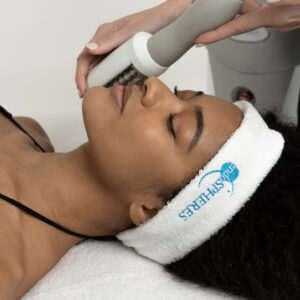 If you’ve been anywhere near a facialist—or Instagram—you’ve probably heard about Endospheres. Now it’s landed at Lake Austin Spa Resort as a limited residency, bringing its signature compressive microvibration technology into a setting that usually leans more traditional. The premise: 55 soft silicone spheres roll across the body, stimulating circulation, encouraging lymphatic drainage, and smoothing the look of skin.
It’s not hands-on in the way classic bodywork is. It’s mechanical, rhythmic, and—depending on your tolerance—surprisingly intense. But that’s also why people book it.
The results are cumulative. One session won’t change everything, but a series starts to shift fluid retention, puffiness, and overall tone. It’s the kind of treatment people come back for, not just try once. What makes the Lake Austin placement interesting is the contrast. This is a spa known for its slower pace, its lakeside setting, its sense of retreat. Dropping a performance-driven, visibly results-oriented treatment into that environment could feel jarring. It doesn’t.
Instead, it broadens the offering. You can stay in the world of rest—or you can opt into something more targeted, more physical, more outcome-focused. Increasingly, it seems, guests want that choice.
Your Hotel Room, Now a Recovery Lab: Rancho Valencia Resort & Spa, California
At Rancho Valencia, the spa doesn’t stop at the spa. A new partnership with Therabody brings a full suite of recovery tools directly into the guest room—turning the suite itself into a kind of private wellness lab. Theragun. Compression boots. LED face mask. Smart goggles. Everything you’d expect from a high-performance recovery setup, just . . . waiting for you when you get back from dinner.
The Valencia Reset Package builds around that idea. You still get your training session, your spa treatment, your curated schedule. But the difference is what happens in between. You don’t have to book another service to keep the momentum going. You can use the tools on your own time, in your own space, without turning it into an event.
That shift—from scheduled wellness to integrated wellness—is subtle but significant. It puts more responsibility on the guest, but also more control. Not everyone will use everything. That’s not really the point. The point is access.
And increasingly, that’s what defines a modern wellness stay—not how much is offered, but how easily it fits into one’s day.
Aromatherapy, but Make It Personal: Casa Velas, Puerto Vallarta, Mexico
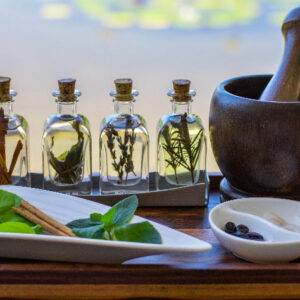 At Casa Velas, aromatherapy moves from the menu to something you make. The new “Essence of Botanical Garden” workshop starts where it should—outside. Guests move through the resort’s garden identifying and harvesting herbs and fruits—lavender, rosemary, mint, but also epazote, nopales, tamarind, guava. It’s tactile, a little imperfect, and intentionally so.
Then comes the blending. You’re not just smelling oils—you’re extracting, combining, figuring out what actually works for you. The end result is a custom scent, yes—but more importantly, an understanding of how it came together. Where it gets interesting is what happens next.
That blend doesn’t stay in a bottle. It follows you into the treatment room, folded into Abja Spa’s 4-Handed Herbal Ritual—a synchronized massage using heated compresses packed with botanicals like clove, bay leaf, and orange peel. The technique is continuous, almost rhythmic, designed to move circulation and settle the nervous system. So instead of choosing a “lavender massage” or a “relaxation oil,” you’re working with something you’ve already engaged with—something you touched, smelled, built.
It’s a small shift, but a meaningful one. Less passive. More participatory. And in a landscape full of pre-set spa menus, that alone stands out.

Lily Stroud
Lily Stroud is a contributing editor at Insider's Guide to Spas where she covers beauty and wellness travel. Reach her at lily@insidersguidetospas.com.